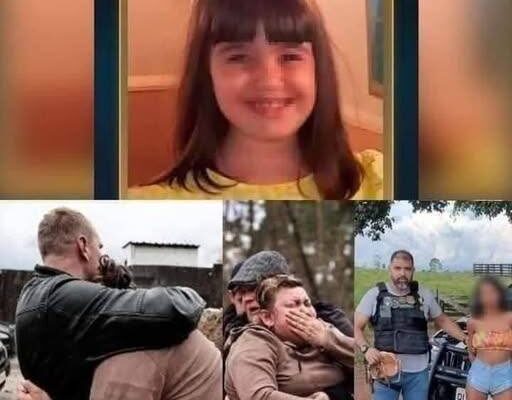
In the sharp, clinical light of the precinct, the moment the officers finally led the girl back into her family’s embrace, the very fabric of time seemed to fracture. In a single, breathless instant, years of paralyzing fear, agonizing waiting, and the hollow weight of unanswered questions collapsed. What remained was a moment of relief so fragile it felt as though the slightest sound might break it.
Her parents clung to her with a desperate, visceral intensity, their arms locked in a silent vow—as if letting go, even for a second, might allow the void to reclaim her. It was a scene of overwhelming joy, yet one unmistakably shadowed by the vast, silent territory of everything they do not yet know about the time she was gone.
A Witness to the Impossible
On the periphery of the reunion, neighbors and onlookers stood in a heavy, stunned silence. Tears flowed without apology as the realization settled in: they were witnessing the kind of miracle that rarely survives the passage of years. It was the homecoming many had whispered was impossible, a scenario long ago filed away under “dread” in the collective consciousness of the neighborhood.
This reunion was not the product of a sudden stroke of luck. It was the hard-won dividend of relentless, grinding effort and a stubborn, defiant brand of hope. It was the result of countless hours logged by those who refused to let the trail go cold, even when the leads dried up and the public’s attention began to drift toward the next tragedy.
The Investigation: Piercing the Silence
While the family retreats into their newfound sanctuary, the gears of justice are turning quietly in the background. Investigators have begun the painstaking task of forensic reconstruction—piecing together the “missing years” to create a coherent timeline of her life in the shadows.
The mandate of the task force is clear: they are searching for the gaps in the system. They are looking for who failed her, who actively hid her, and where the critical opportunities to intervene were missed. These answers are not being sought for the sake of sensational headlines, but for the cold requirements of accountability and the vital necessity of prevention. Understanding the mechanics of how she was lost is the only way to ensure the same failures do not claim another child.
The Architecture of Healing
Even as the police work to solve the mystery of the past, a different, more delicate labor is beginning. A specialized network of doctors, trauma counselors, and victim advocates is mobilizing to facilitate what will be a slow, meticulously managed re-entry into everyday life.
The narrative of her return is not the “happy ending” the public often craves; it is merely the prologue to a much longer and more complex story of restoration. Her homecoming marks the beginning of a profound healing process—not just for the survivor and her family, but for a community that has been permanently altered by a decade-long lesson in loss, hope, and the sheer power of human endurance.